Customize Volume & Power Buttons On Android: We all know the frustration of fumbling with our phones during a busy day. You reach for your device to capture a fleeting moment or quickly silence a notification, only to get lost in endless software menus. It feels like your technology works against you instead of helping you move through your life with ease.
Modern mobile software offers a better Try this Android tricks way to interact with your hardware. You can now customize volume & power buttons on Android to streamline your daily tasks Customize Volume & Power Buttons On Android. By mapping these physical keys to your most frequent actions, you reclaim precious time and simplify your digital experience.
These small adjustments transform how you use your smartphone every single hour. When you customize volume & power buttons on Android, you gain instant access to essential tools without digging through settings. This guide will show you how to optimize your hardware for maximum efficiency, ensuring your device finally works exactly the way you need it to.
Understanding the Potential of Android Button Remapping
The architecture of the Android operating system provides a unique framework that allows users to modify how physical hardware keys interact Try this Android tricks with the software. By accessing the system-level input mapping, you can change the default behavior of your device buttons. This process, known as Android button customization, turns standard hardware into a highly personalized interface.
Most users view their power and volume keys as static tools for basic tasks. However, these buttons can function as multi-functional triggers for launching specific applications, toggling system settings, or even controlling smart home devices. Customize Volume & Power Buttons On Android Understanding these capabilities is the first step toward creating a more efficient mobile workflow.
When you embrace Android button customization, you align your device with your specific physical interaction preferences. This foundational knowledge Try this Android tricks ensures that you can navigate your phone with greater speed and comfort. The following table illustrates how standard button functions can be transformed into advanced shortcuts.
| Button Action | Default Behavior | Customized Potential |
|---|---|---|
| Single Press | Power On/Off | Launch Camera App |
| Double Press | Camera Shortcut | Toggle Flashlight |
| Long Press | Power Menu | Voice Assistant |
By leveraging these software-defined triggers Try this Android tricks, you reduce the need to navigate through complex on-screen menus. Customize Volume & Power Buttons On Android This Android button customization approach saves time and minimizes repetitive screen taps. Mastering these configurations allows you to take full control of your hardware experience.
Native Settings for Power Button Shortcuts
Modern smartphones offer powerful ways to modify hardware behavior through built-in menus. You can easily tailor your device experience using Android power button settings without needing external software. These native tools provide a safe and reliable way to implement basic Android button shortcuts that improve your daily workflow.
Customize Volume & Power Buttons On Android
Most modern Android devices allow Try this Android tricks you to customize the power menu to suit your specific needs. By navigating to your system settings, you can add emergency contact information or quick-access smart home controls. This ensures that essential features remain available with a single long-press of the physical key.
Customizing this menu helps you manage your connected devices or emergency alerts more efficiently. Quick access to these tools saves time during urgent situations or when you need to control your home environment instantly. Many manufacturers now include these options as standard features in their latest software updates.
Assigning Digital Assistants to the Power Button
You can also reconfigure Try this Android tricks your device to launch a digital assistant, such as Google Assistant, by holding the power button. This is a popular method for users who prefer voice commands over manual navigation. It transforms the physical key into a gateway for hands-free interaction with your phone.
This feature is particularly useful for setting reminders, checking the weather, or sending quick messages while on the go Customize Volume & Power Buttons On Android. By adjusting your Android power button settings, you can prioritize voice assistance over the traditional power-off menu. Below is a comparison of common native button configurations found on most devices.
| Feature | Standard Action | Customizable Action |
|---|---|---|
| Single Press | Lock Screen | Camera Launch |
| Long Press | Power Menu | Digital Assistant |
| Double Press | None | Flashlight Toggle |
Utilizing these Android button shortcuts allows for a more personalized mobile experience. Always check your specific device Try this Android tricks Customize Volume & Power Buttons On Android support page to see which options are available for your model. These built-in settings remain the most stable way to manage your hardware keys.
Utilizing Built-in Volume Button Accessibility Features
Mastering Android volume button customization allows you to take full control of your device’s hardware. While most users only touch these buttons to change sound levels, they offer hidden utility that improves your daily mobile experience. By learning these native shortcuts, you can streamline how you interact with your smartphone.
Adjusting Media and Ringtone Volume Independently
Modern Android versions provide granular control over your audio streams. When you press the volume rocker, look for the settings icon or the expanded menu that appears on your screen. This interface lets you independently manage media, ringtone, and alarm volumes to prevent accidental noise during meetings or quiet moments.
Adjusting these sliders Try this Android tricks separately Customize Volume & Power Buttons On Android ensures that your phone stays silent when you need it most. You can keep your media volume low while maintaining a high ringtone level for important calls. This level of Android volume button customization is essential for maintaining a professional digital environment.
Using Volume Keys for Camera Shutter Control
Photography enthusiasts often find it difficult to tap the on-screen shutter button without shaking the phone. Most camera apps allow you to use the volume keys as a physical shutter release for more stable shots. Try this Android tricks This feature mimics the feel of a traditional camera, making it easier to capture crisp images with one hand.
| Feature | Primary Function | Secondary Benefit |
|---|---|---|
| Media Volume | Controls video/music | Prevents sudden loud audio |
| Ringtone Volume | Manages call alerts | Ensures privacy in meetings |
| Camera Shutter | Triggers photo capture | Reduces motion blur |
Best Practices to Customize Volume & Power Buttons On Android
Before you start to customize volume & power buttons on Android, you should map out your daily mobile habits. Taking a moment to analyze your routine helps you identify which tasks truly deserve a dedicated hardware shortcut Customize Volume & Power Buttons On Android. This proactive approach ensures that your modifications provide genuine value rather than adding unnecessary complexity to your device.
Assessing Your Workflow Needs
Start by listing the apps or functions you open most frequently throughout the day. If you find yourself constantly toggling Try this Android tricks the flashlight or launching your camera, these are perfect candidates for a quick-access button trigger. Prioritizing high-frequency tasks allows you to save precious seconds every time you interact with your phone.
Consider the physical comfort of your hand placement as well. Assigning actions to the volume keys that require awkward finger stretching can lead to fatigue over time Customize Volume & Power Buttons On Android. Choose configurations that feel natural and intuitive for your specific grip style.
Avoiding Conflicts with System Gestures
When you customize volume & power buttons on Android, you must be careful not to overwrite critical system functions Try this Android tricks. Most devices rely on specific button combinations for essential tasks like taking screenshots or triggering emergency SOS alerts. Maintaining these core safety features is vital for a stable and reliable user experience.
Always test your new settings immediately after applying them to ensure they do not interfere with system-level commands. If a shortcut feels sluggish or triggers the wrong action, revert the change and try a different combination. The following table highlights common risks to watch for during your setup process.
| Action Type | Potential Risk | Recommended Strategy |
|---|---|---|
| Power Button Long-Press | Accidental SOS Trigger | Use for non-critical apps |
| Volume Down + Power | Screenshot Conflict | Avoid remapping this pair |
| Double-Press Volume | System Lag | Keep triggers simple |
By following these guidelines, you can effectively customize volume & power buttons on Android while keeping your system responsive Try this Android tricks. Customize Volume & Power Buttons On Android A balanced setup creates a more efficient interface that works with your habits instead of against them.
Top Third-Party Apps for Advanced Button Customization
Finding the right Android button customization app can transform how you interact with your smartphone daily. While system settings provide basic utility, dedicated software unlocks hidden potential for your physical hardware. These tools allow you to map specific actions to single, double, or long-press events.
Overview of Button Mapper
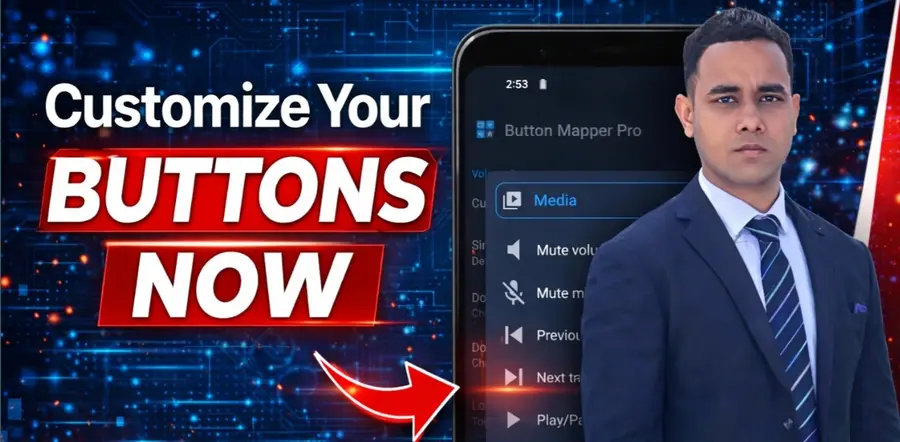
Button Mapper stands out as a premier choice for users who prioritize a user-friendly interface. It simplifies the process of reassigning volume and power keys without requiring deep technical knowledge. You can easily launch your favorite apps, toggle the flashlight, or control media playback with a simple button combination.
The application is highly regarded for its robust feature set and stability. It works seamlessly across most modern devices Customize Volume & Power Buttons On Android, providing a reliable way to enhance your daily workflow Try this Android tricks. By choosing this Android button customization app, you gain immediate control over your device’s physical inputs.
Exploring the Capabilities of Tasker for Hardware Keys
For power users Customize Volume & Power Buttons On Android, Tasker offers an unparalleled level of automation. It allows you to create complex, conditional triggers that go far beyond simple button remapping. You can set your phone to perform different actions based on your location, time of day, or current app usage.
Integrating Tasker with your hardware keys turns your phone into a highly responsive tool. This Android button customization app is perfect for those who want to build custom profiles for smart home control or advanced system management. The following table highlights the core differences between these two powerful solutions.
| Feature | Button Mapper | Tasker |
|---|---|---|
| Ease of Use | High | Low |
| Automation Depth | Moderate | Very High |
| Setup Complexity | Simple | Advanced |
| Primary Focus | Key Remapping | System Automation |
Step-by-Step Guide to Remapping Buttons with Button Mapper
Android button remapping allows you to transform how you interact with your smartphone daily. By using a specialized tool, you can assign new functions to your volume and power keys that go beyond their factory settings.. Try this Android tricks Customize Volume & Power Buttons On Android This process requires a bit of setup, but it provides a highly personalized mobile experience.
Granting Necessary Permissions via ADB
To function correctly, an Android button mapper needs deep access to your system signals. You must connect your phone to a computer and use the Android Debug Bridge (ADB) to grant these permissions. This step is vital because it allows the software to intercept hardware inputs before the operating system processes them.
Once your device is connected, run the specific command provided by the app developer in your terminal or command prompt. This action unlocks the full potential of the software, ensuring that your custom commands register instantly. Without this bridge, the app may only have limited control over your hardware keys.
Creating Custom Single-Press Actions
After you grant the required permissions, Try this Android tricks you can begin assigning tasks to a single press of your buttons. Customize Volume & Power Buttons On Android You might choose to launch your favorite camera app or toggle the flashlight with a quick tap. This level of Android button remapping makes your most-used features accessible in a fraction of a second.
Simply select the button you wish to modify within the interface and choose the “Single Tap” option. From there, browse the list of available system actions or shortcuts to find the perfect match for your workflow. Save your changes, and the new behavior will take effect immediately.
Setting Up Double-Press and Long-Press Triggers
Advanced users often prefer using double-press or long-press triggers to avoid accidental activations. These gestures provide a secondary layer of functionality without interfering with the standard operation of your device. An Android button mapper makes it easy to distinguish between these different input styles.
The following table outlines how you can effectively organize your button triggers for maximum efficiency:
| Trigger Type | Best Use Case | Complexity Level |
|---|---|---|
| Single Press | Frequent tasks like volume or flashlight | Low |
| Double Press | Launching apps or taking screenshots | Medium |
| Long Press | System toggles or emergency actions | High |
By assigning distinct actions to these triggers, Try this Android tricks you create a more intuitive navigation system. Experiment with different combinations to see which layout feels most natural for your daily habits.
Advanced Automation with Tasker and Hardware Keys
Beyond simple volume adjustments, your Android device can become a sophisticated command center. By utilizing automation platforms like Tasker, you can assign custom android button functions that react to your specific environment. This turns your phone into a powerful tool that adapts to your daily workflow automatically.
Customize Volume & Power Buttons On Android
Context-aware profiles allow your buttons to change behavior based on the time of day or the app currently in use. For example, you might configure your volume keys to act as media controls while listening to music, but switch them to scroll triggers while reading an e-book. These custom android button functions ensure your hardware keys are always optimized for the task at hand.
You can also set profiles that trigger only when you are at home or work. By linking your location to your button settings, your device remains Try this Android tricks throughout the day. This level of control provides a seamless experience that feels truly personalized.
Triggering Smart Home Actions with Volume Keys
Integrating your hardware keys with smart home ecosystems opens up a new world of convenience. You can map your volume buttons to toggle smart lights, adjust your thermostat, or lock your front door. These custom android button functions allow you to control your living space without ever unlocking your screen.
The following table highlights how different button triggers can initiate various smart home routines:
| Trigger Type | Action Example | Primary Benefit |
|---|---|---|
| Single Press | Toggle Living Room Lights | Instant Access |
| Double Press | Adjust Thermostat | Quick Climate Control |
| Long Press | Activate Security System | Safety and Speed |
By leveraging these custom android button functions, you reduce the need to navigate through multiple menus. Customize Volume & Power Buttons On Android This streamlined approach saves time and makes your smart home devices feel like a natural extension of your smartphone.
Managing Android Button Customization for Accessibility
You can transform your phone into a more accessible tool through strategic Android button customization. By remapping physical keys Try this Android tricks, users with motor or visual impairments gain a reliable way to navigate complex interfaces without relying solely on touch gestures.
Configuring TalkBack Shortcuts
TalkBack is a screen reader that provides spoken feedback for users Customize Volume & Power Buttons On Android who are blind or have low vision Try this Android tricks. You can assign specific hardware triggers to launch this service instantly, ensuring that help is always just a click away.
By mapping a long-press of the power button to toggle TalkBack, you create a seamless transition between standard use and assisted navigation. This setup reduces the need for precise screen tapping, which can be difficult for some users.
Using Volume Keys to Control Text-to-Speech
Volume keys are often underutilized, yet they offer Try this Android tricks excellent potential for controlling text-to-speech engines. You can configure these buttons to adjust speech rate or skip through paragraphs of text during playback.
This level of Android button customization makes content consumption much more efficient. Whether you are listening to an e-book or a long article Customize Volume & Power Buttons On Android, having physical control over the audio output provides a tactile and predictable experience.
| Action Type | Accessibility Function | Primary Benefit |
|---|---|---|
| Long-Press Power | Toggle TalkBack | Immediate Assistance |
| Volume Up | Increase Speech Rate | Customized Pacing |
| Volume Down | Decrease Speech Rate | Improved Clarity |
Implementing these changes ensures that your device Try this Android tricks inclusive and easy to operate. Proper Android button customization serves as a vital tool for creating a more accessible mobile environment for everyone.
Troubleshooting Common Issues with Button Remapping
Maintaining smooth performance requires knowing how to fix common issues with Android button remapping. While these tools offer great control, occasional technical hurdles can arise during daily use. Understanding these simple solutions ensures your device remains responsive and functional.
Resolving Conflicts with System Updates
Major system updates often introduce changes to how the operating system interacts with hardware keys. Sometimes, an update might override your custom configurations or reset your preferences to default settings. If your Android button remapping stops working after an update, check the app settings to ensure your profiles are still active.
You may need to toggle the accessibility service off and back on to refresh the connection. Re-granting permissions can also help the system recognize your custom inputs again. Keeping your remapping software updated to the latest version is the best way to maintain compatibility with new firmware.
Handling Battery Optimization Restrictions
Android devices often use aggressive battery management to save power, which can inadvertently kill background services. If your remapping app is restricted Try this Android tricks, it will fail to detect your button presses in real-time. You must adjust your battery settings to ensure Android button remapping remains active at all times.
Navigate to your phone’s battery settings and locate the “Battery Optimization” or “App Battery Usage” menu. Find your remapping tool in the list and select the “Don’t optimize” or “Unrestricted” option. This simple change prevents the system from closing the app, ensuring Android button remapping stays reliable throughout the day.
| Issue | Primary Cause | Quick Fix |
|---|---|---|
| App stops responding | Battery optimization | Set to Unrestricted |
| Settings reset | System update | Re-apply permissions |
| Delayed input | Background lag | Restart accessibility service |
Security Considerations When Using Button Customization Apps
Security is a vital component of any effective Android button customization strategy. While modifying your hardware keys offers great convenience Try this Android tricks, it also introduces new pathways for software interaction. You must remain vigilant to ensure that your device remains protected from potential vulnerabilities.
Evaluating App Permissions and Privacy
Most tools designed for Android button customization require Customize Volume & Power Buttons On Android access to Accessibility Services to function correctly Try this Android tricks. This permission allows the app to monitor your inputs and perform actions on your behalf. You should always verify that the developer is reputable before granting such high-level access.
Review the privacy policy of any app you install to understand how it handles your data. Limiting unnecessary permissions is a smart way to reduce your digital footprint. If an app requests access to your contacts or location, consider whether those permissions are truly necessary for remapping your volume or power buttons.
Ensuring Stability on Locked Devices
A major concern with Android button customization involves how these apps behave when your phone is locked. You want to ensure that a custom trigger does not accidentally bypass your lock screen or expose sensitive information. Testing your configurations while the device is secured is a critical step in maintaining safety.
Some apps allow you to restrict specific actions so they only trigger when the device is unlocked. This feature provides an extra layer of security for your personal data Try this Android tricks. Use the following table to help you manage your security settings effectively.
| Security Practice | Risk Level | Recommended Action |
|---|---|---|
| Permission Review | High | Audit app access monthly |
| Lock Screen Triggers | Medium | Disable sensitive actions |
| Developer Trust | High | Use open-source tools |
By following these guidelines, you can enjoy the benefits of a personalized device without compromising your security. Responsible customization ensures that your hardware remains a tool for productivity rather than a security risk.
Optimizing Hardware Longevity Through Software Shortcuts
Mechanical buttons are often the first components to fail on a smartphone Try this Android tricks due to constant physical stress. Over several years of daily use, the internal springs and contact points inside your power and volume keys can degrade. By utilizing Android button shortcuts, you can distribute the workload away from these fragile mechanical parts.
Reducing Physical Wear on Mechanical Buttons
Every time you press a physical button, you contribute to the eventual wear of the switch mechanism. Heavy users who frequently adjust volume or wake their screens often notice a loss of tactile feedback over time. Proactive remapping allows you to shift these high-frequency tasks to software-based triggers.
When you configure Android button shortcuts to handle common tasks Try this Android tricks, you effectively preserve the mechanical integrity of your device. This strategy is particularly useful for users who keep their phones for three or more years. Reducing the total number of physical clicks per day significantly lowers the risk of hardware failure.
Transitioning to On-Screen Alternatives
Modern operating systems provide robust tools to replace physical interactions with touch-based gestures. Features like double-tap to wake or on-screen accessibility menus allow you to navigate your device without touching the power button. These Android button shortcuts serve as a reliable bridge between physical hardware and digital convenience.
Try this Android tricks
Transitioning to these alternatives requires a brief adjustment period, but the long-term benefits are substantial. You can maintain full control over your media and system settings Try this Android tricks while keeping your hardware in pristine condition. The following table highlights the efficiency of moving from physical keys to software-based alternatives.
Related Article: Best Android Launcher For Samsung Phones
Taking control of your physical buttons transforms how you interact with your smartphone daily. You now possess the knowledge to bridge the gap between rigid factory settings and a truly personalized mobile environment.
| Try this Android tricks |
|---|
| CUSTOMIZE YOUR BUTTONS NOW |
| Get the app NOW |
Balancing native system options with powerful tools like Button Mapper or Tasker Try this Android tricks creates a seamless workflow. This approach ensures your device works exactly the way you prefer while maintaining peak performance.
Start by testing simple remapping tasks to see how they fit your habits. Try this Android tricks Small adjustments often lead to significant improvements in speed and accessibility for your most used apps.
| Interaction Type | Physical Method | Software Alternative |
|---|---|---|
| Screen Wake | Power Button | Double-Tap Gesture |
| Volume Control | Volume Rocker | On-Screen Slider |
| Screen Capture | Power + Volume | Three-Finger Swipe |
| System Navigation | Hardware Keys | Gesture Navigation |
Your Android device offers immense potential for customization Try this Android tricks beyond the standard interface. Experiment with these configurations to unlock a more efficient and intuitive user experience today.