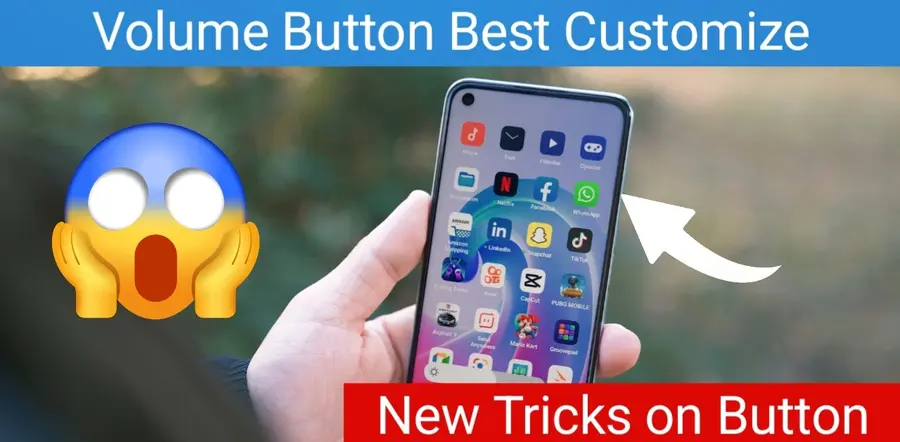
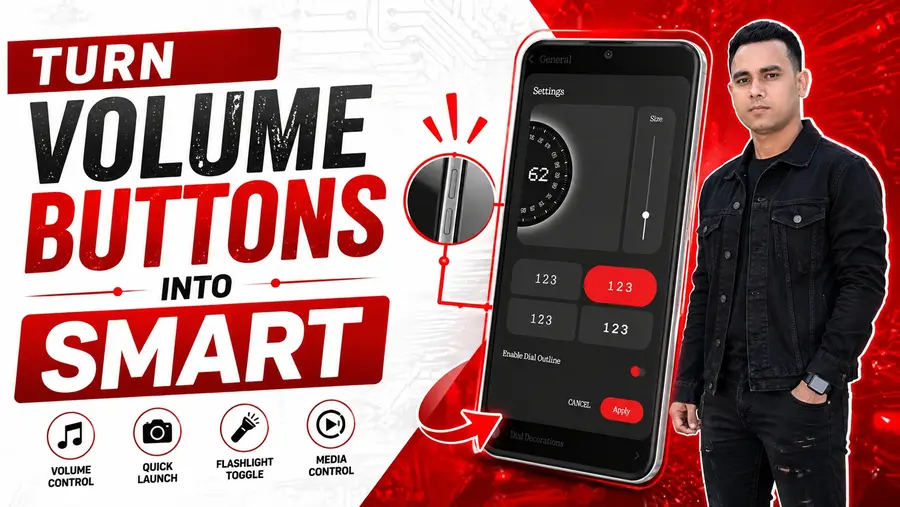
We all know the frustration of digging through Turn Volume Buttons into Smart Shortcuts endless Upgrades to your buttons and menus just to launch a simple app. You reach for your device, hoping for speed, but find yourself tapping through layers of software instead. It feels like your hardware should do more for you.
You can actually turn volume buttons into smart shortcuts to reclaim your time. By making this small change, you transform your physical hardware into a productivity tool with Turn Volume Buttons into Smart Shortcuts. This simple adjustment helps you trigger your favorite apps with a single click.
- Many users in the United States want to optimize their mobile experience without complex coding. You can easily customize volume keys to match your daily habits.
- Whether you need to open your camera or toggle a flashlight, these modifications, shortcuts customised,
- provide instant access to your most used features. Let’s explore how you can streamline your digital life today.
The Potential of Volume Button Customization
Turn Volume Buttons into Smart Shortcuts: A Smarter, Simpler Way to Use Your Phone. There’s this tiny moment we all know. This volume button customization changes, Volume Button Customization, how you interact with your mobile device daily.
It sounds like a small upgrade, I know. Maybe even unnecessary at first. But once you start using your volume buttons as shortcuts, it kind of sticks. You don’t really go back. Most people never question what those buttons can do. They come with the phone, and they adjust the sound
You may find options in:
- Settings → Advanced Features
- Settings → Accessibility
- Settings → Gestures
- Settings → Shortcuts & Buttons
- Settings → Additional Settings

The underlying technology relies on event listeners within the Android operating system. When you press a button, the system sends a signal that specialized apps can intercept and redirect. These smart volume controls effectively override the default audio behavior to execute custom commands instead.
Physical buttons are different. You don’t need to look at them. You don’t need to unlock your phone, swipe, search, tap, miss the icon, tap again—yeah, you know that routine. With buttons, it’s just… press. Done.
| Action Type | Traditional Function | Customized Function |
|---|---|---|
| Single Press | Adjust Media Volume | Toggle Silent Mode |
| Double Press | No Action | Launch Camera App |
| Long Press | Continuous Volume Change | Activate Flashlight |
| Press + Power | Screenshot | Voice Assistant Trigger |
How to Turn Volume Buttons into Smart Shortcuts on Android
Android devices offer a unique advantage for users who want deep system integration. You can easily turn volume buttons into smart shortcuts to streamline Adjust Media Volume in your daily mobile experience. By leveraging native settings or lightweight accessibility services, you gain full control over your hardware keys.
Setting Up Launchers for Specific Apps
Many users want to launch their favorite apps instantly without navigating through home screens. You can configure your device to open specific applications by performing a long-press or a double-click on the volume rocker. This type of customized button functionalities saves time when you need to access your camera or messaging apps in a hurry.
To begin, you will need an accessibility-based mapping tool that monitors key events. Once the service is active, you can assign a specific app to a button gesture. This ensures that your phone responds exactly how you want it to during high-priority moments.
Creating System Toggles like Flashlight or Wi-Fi
No screen, no delay. It’s surprisingly satisfying. Or maybe a long press on volume down opens your camera. That moment when something happens quickly, without effort—it feels good. Toggles like Flashlight or Wi-Fi. A bit like the phone finally understands you.
The following table outlines common configurations for your volume buttons to help you optimize your device workflow:
| Action Type | Gesture | Primary Function | System Impact |
|---|---|---|---|
| App Launch | Double Press | Open Camera | High Efficiency |
| System Toggle | Long Press | Flashlight On/Off | Low Battery Drain |
| Connectivity | Triple Press | Toggle Wi-Fi | Medium Impact |
| Media Control | Single Press | Play/Pause Music | Minimal Impact |
Others go a bit further and link shortcuts to messaging apps, navigation, and even small daily routines. Like sending a quick “I’m here” text or opening maps with directions already loaded. It’s not flashy, Medium Impact. It’s not something you show off. But it changes how you move through your day with your phone.
Essential Third-Party Apps for Button Mapping
When native options fall short, third-party apps unlock the true potential of your hardware. These tools provide a necessary framework to expand your device’s capabilities beyond standard software limits. By choosing the right software, you gain greater control over your physical keys and overall user experience.
For example:
- Long-press volume down to open the camera
- Double-press power + volume for a screenshot
- Volume key photo capture inside the camera app
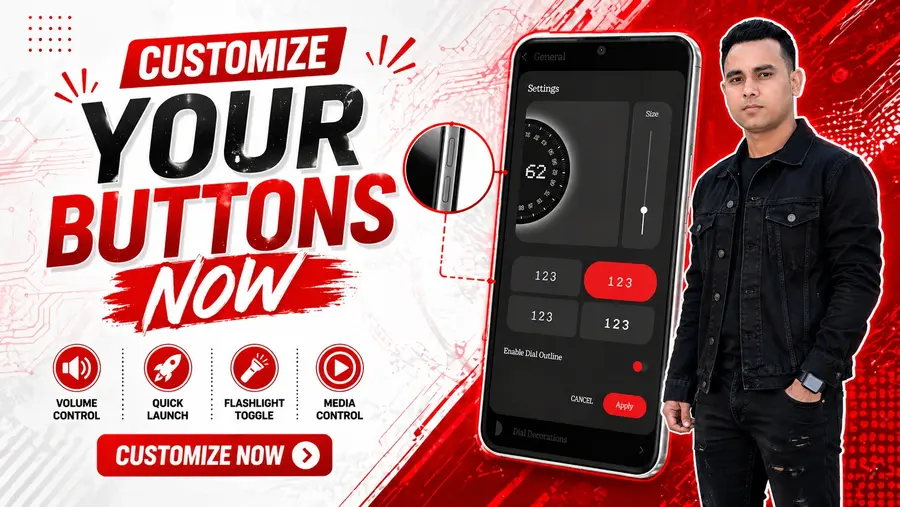
Reliable applications for volume button customization prioritize both user privacy and system stability. It is vital to select tools that remain active and consistent even after device reboots or major software updates. These apps offer robust interfaces that allow you to manage complex volume key shortcuts that standard settings simply cannot handle.
The following table highlights some of the most effective tools, Customizing hardware keys currently available for Android users looking to enhance their device interaction:
| Application Name | Primary Focus | Ease of Use |
|---|---|---|
| Button Mapper | Customizing hardware keys | High |
| Tasker | Advanced automation | Moderate |
| MacroDroid | User-friendly macros | High |
Using these applications allows you to create unique sequences for your device. Whether you want to launch a camera or toggle a flashlight, volume button customization ensures your most-used features are always a click away. Implementing these volume key shortcuts effectively transforms how you interact with your phone daily.
Advanced Configurations for Power Users
Beyond simple volume adjustments, your phone buttons hold the key to advanced automation. By utilizing smart volume controls, you can move past basic audio adjustments and turn your device into a highly efficient tool. These configurations allow you to execute complex tasks with a single physical interaction.
Triggering Scenes via Volume Key Combinations
Some apps let you get creative with it. Advanced automation: A single press does one thing, a double press another, a long press something else. So suddenly, those two simple buttons turn into—what—six different shortcuts? Maybe more.
| Trigger Action | Primary Function | Secondary Benefit | Complexity Level |
|---|---|---|---|
| Double Press | Toggle Flashlight | Quick Visibility | Low |
| Long Press | Activate Do Not Disturb | Focus Mode | Medium |
| Triple Press | Launch Camera | Instant Capture | Medium |
| Press & Hold | Smart Home Scene | Automation | High |
Limitations and Safety Considerations
Customizing your device buttons is a powerful feature, but it requires a cautious approach to ensure system stability. While remapping physical keys can streamline your workflow, modifying system-level inputs can sometimes lead to unexpected behavior. You should always be aware that these customized button functionalities might interact poorly with your operating system.
One primary concern involves potential conflicts with core audio control shortcuts. If a third-party app overrides a button that the system reserves for volume management, Quick Visibility, you may lose the ability to adjust sound levels during a call. This can create frustration when you need to quickly mute or change your media volume in a hurry.
Many phones already allow:
- Volume Up = capture photo
- Volume Down = record video
- Zoom in/out using volume keys
Understanding these boundaries helps maintain the long-term reliability of your smartphone hardware. Overloading your buttons with complex macros can occasionally cause Quick Visibility software lag or input delays. Always prioritize stability over excessive automation to keep your audio control shortcuts functioning smoothly.
| Risk Factor | Potential Impact | Safety Strategy | Priority Level |
|---|---|---|---|
| System Conflict | Unresponsive volume | Test in safe mode | High |
| Accidental Trigger | Unwanted app launch | Use delay timers | Medium |
| Hardware Wear | Reduced button life | Limit heavy usage | Low |
| Battery Drain | Increased background use | Monitor app activity | Medium |
Troubleshooting Common Mapping Conflicts
Taking control of your physical buttons transforms your mobile experience. You now possess the tools to turn standard hardware into powerful shortcuts that save time during your busy day.
To diagnose these issues, start by checking your device’s accessibility permissions. Many mapping apps require these permissions to intercept hardware signals, and system updates can occasionally reset them. If your audio control shortcuts feel sluggish, ensure that battery optimization settings are not restricting your mapping app from running in the background.
The following table outlines common problems and the steps needed to restore your device’s performance:
Related Article: Customize Volume & Power Buttons On Android
If problems persist, try restarting your device to clear temporary cache files. Consistent testing after each adjustment helps you identify exactly which setting caused the conflict. By maintaining clean permissions and monitoring background activity, you can keep your custom controls running smoothly.
Turn Simple Buttons into Smart Power Tools
Taking control of your physical buttons transforms your mobile experience. You now possess the tools to turn standard hardware into powerful shortcuts that save time during your busy day.
Creating personalized button settings allows you to launch apps or toggle system features with a single press. This level of control makes your smartphone feel like a custom tool built for your specific habits.
| Customize & Save Time |
|---|
| CUSTOMIZE YOUR BUTTONS |
| Start Customizing |
It’s what it represents. We’re so used to adapting to our devices, unresponsive volume. Learning their systems, their gestures, their little quirks. But this flips that idea. Just a little.
| Issue | Potential Cause | Recommended Fix |
|---|---|---|
| Input Lag | High CPU usage | Clear background apps |
| Unresponsive Triggers | Permission conflict | Toggle accessibility settings |
| Media Interference | App priority overlap | Adjust shortcut sensitivity |
And those are often the changes that matter more. You might not notice it immediately. In the first few days, it feels new. You remember the shortcut, Toggle accessibility settings, you try it out, maybe you forget once or twice. Then slowly, without realizing, it becomes part of how you use your phone.